SIEMENS
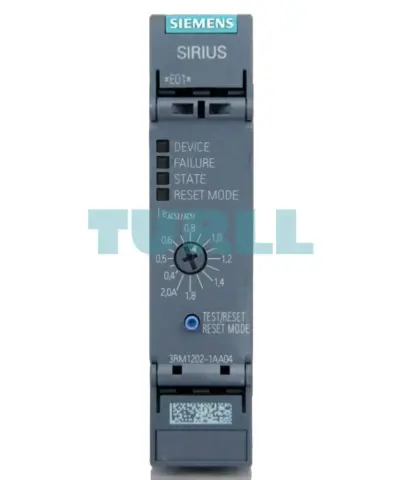
Siemens 3RM1202-1AA04 Reversing Starter 3RM1, 500V, 0.09–0.75 kW, 0.4–2A, 24V DC, Screw Terminal Original Brand New
3RM1202-1AA04
Original price was: $396.41.$165.74Current price is: $165.74.
In stock
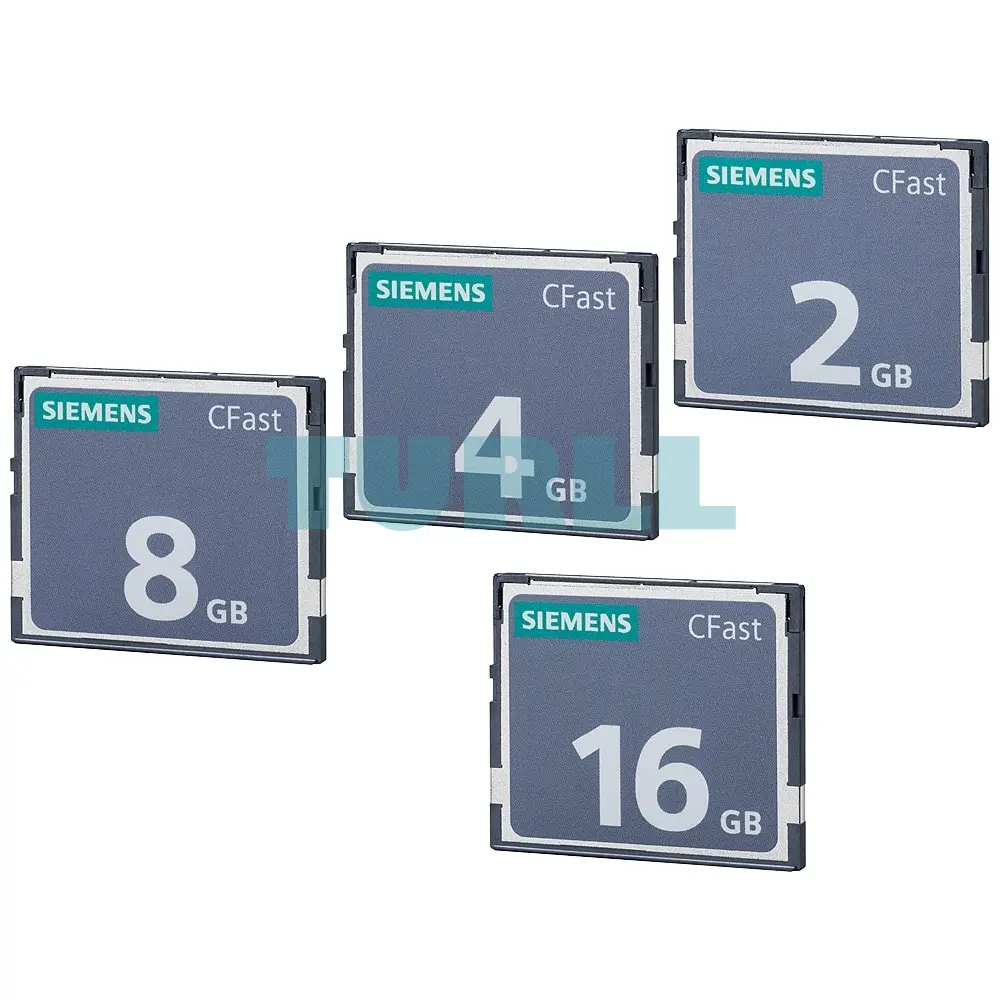
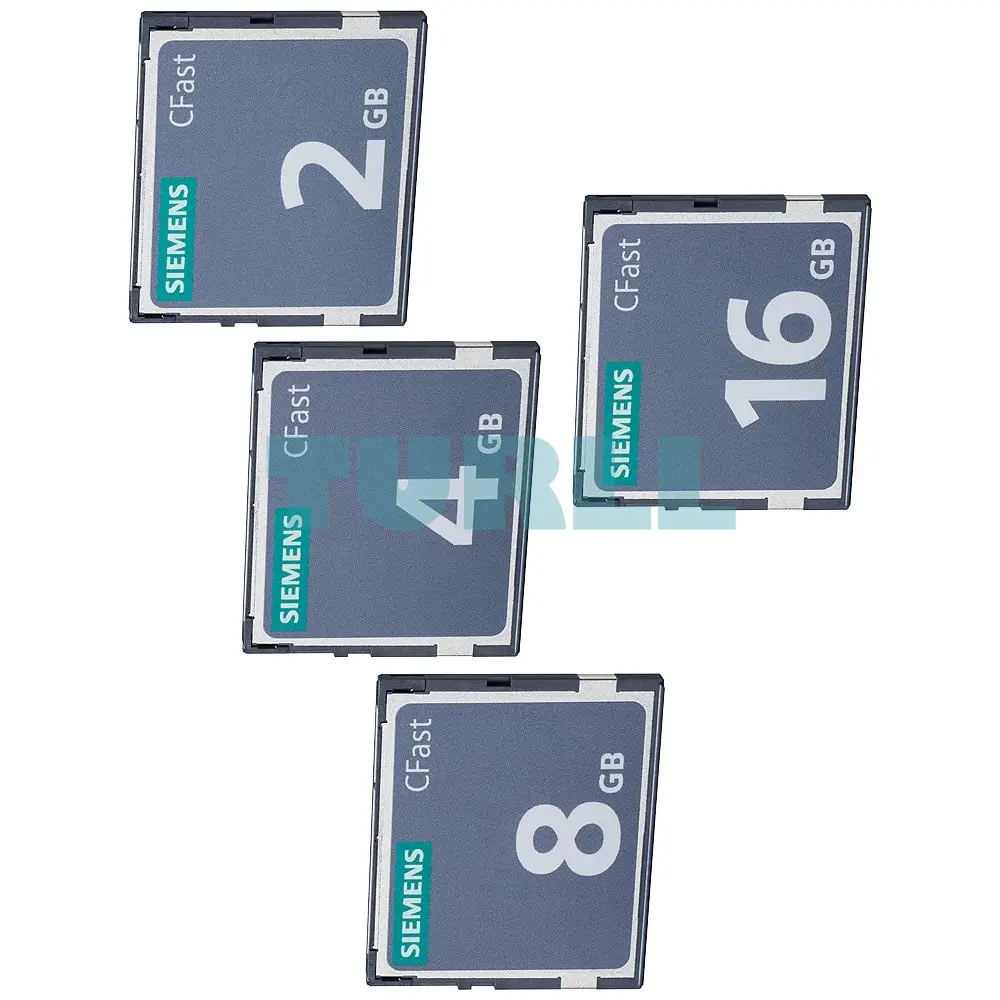
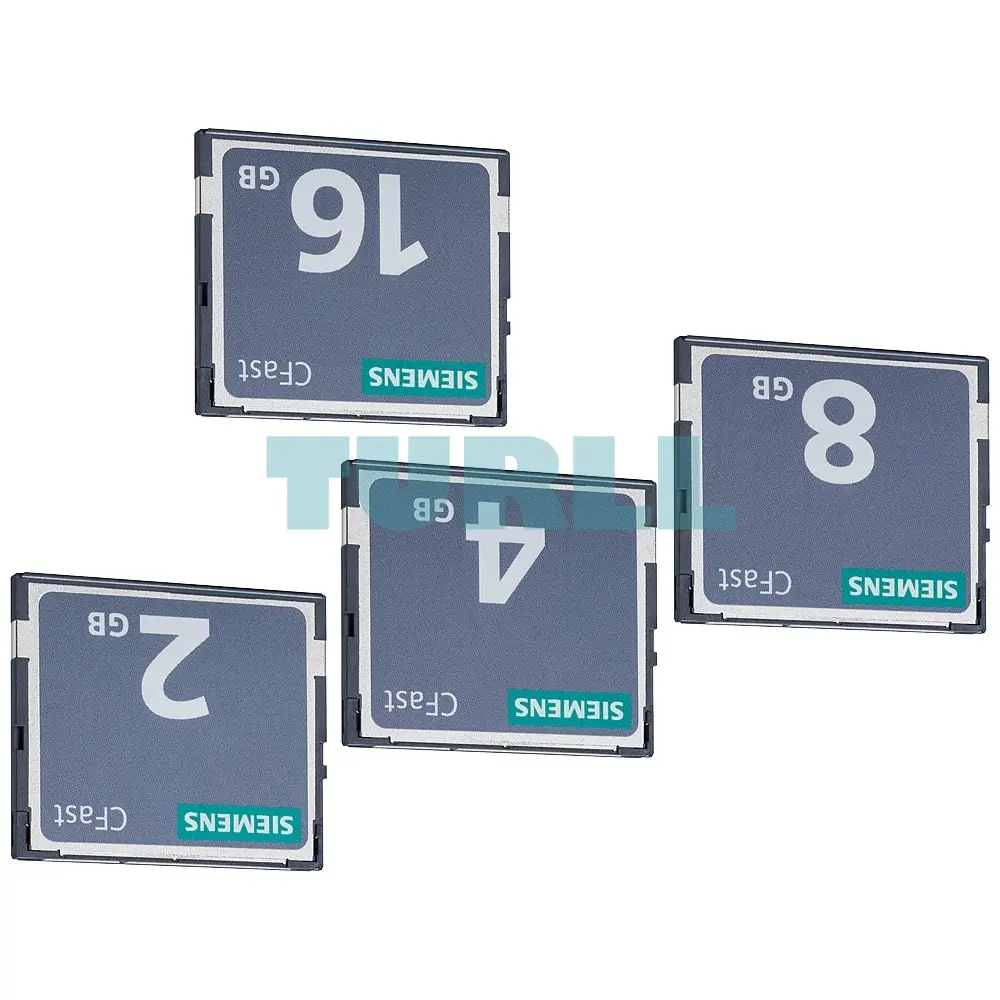
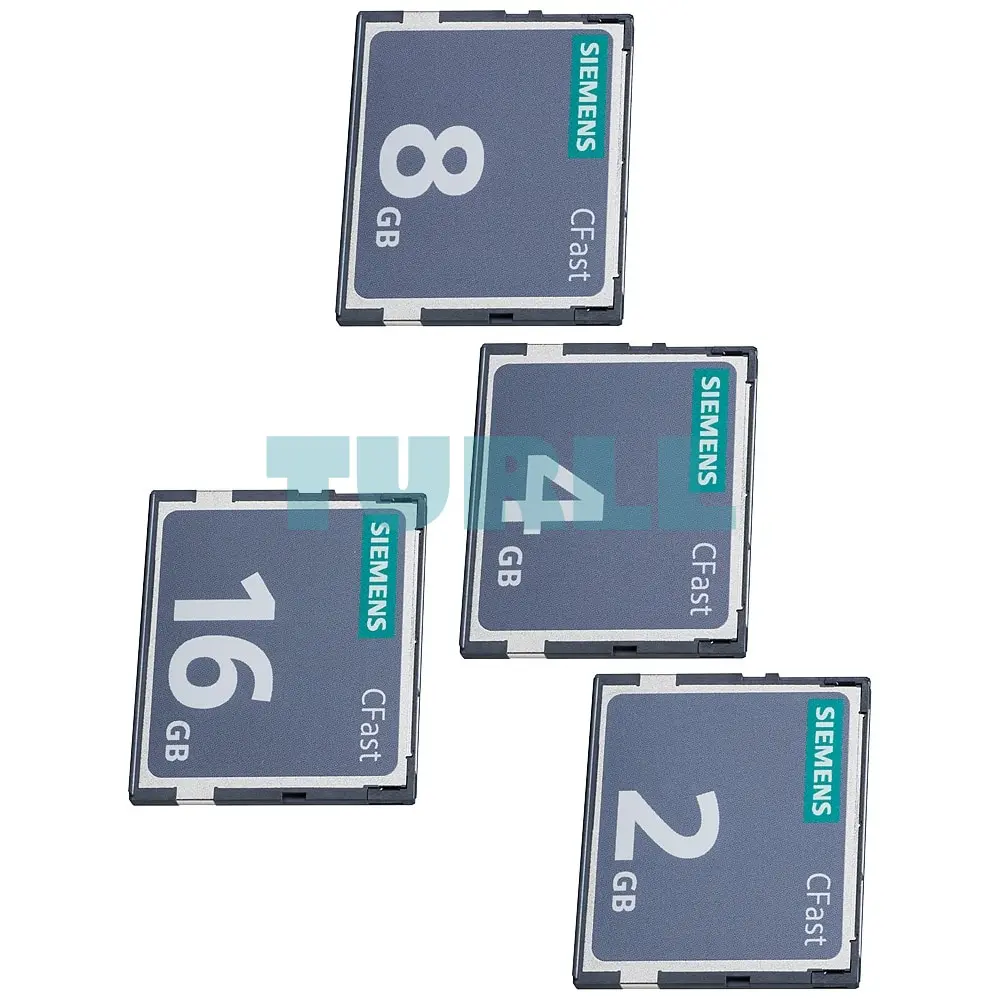
Siemens SIMATIC CFast memory card, 2 GB, for IPCs with corresponding slot, scope of supply: 1 CFast 2 GB
Memory media which has been tested and approved by Siemens ensure the best possible functionality and compatibility.
SIMATIC HMI memory media are suitable for industry and optimized for the requirements in industrial environments. Special formatting and write algorithms ensure fast read/write cycles and a long service life of the memory cells.
Multi Media Cards can also be used in operator panels with SD slots. Detailed information on usability can be found in the memory media and panels technical specifications.
The actual memory capacity of the memory cards or USB flash drives may change depending on production factors. This means that the specified memory capacity may not always be 100% available to the user. When selecting or searching for core products using the SIMATIC selection guide, accessories appropriate to the core product are always automatically displayed or offered.
Due to the nature of the technology used, the reading/writing speed can diminish over time. This is always dependent on the environment, the size of the files saved, the extent to which the card is filled and a number of additional factors. SIMATIC memory cards, however, are always designed so that typically all of the data is reliably written to a card even when the device is being switched off.
More information can be taken from the operating instructions of the respective devices.
The following memory media are available:
Note:
SIMATIC S7 Memory Cards from S7 controllers may not be used in operator panels or PC systems.
If used in this way, the memory cards lose their functionality and can then no longer be used with S7 controllers.
SIMATIC HMI system cards must not be formatted because this irrevocably deletes system files, and they can then no longer be used for their usual functions, or may even become totally worthless.
Cyclic archiving may place very high stress on the memory and could lead to failure. In this case, it is necessary to calculate the write cycles in respect of the frequency and size of the data volume in advance. Network drives are more suitable for archiving larger data volumes at short to very short intervals.
In cases of doubt, please clarify with your Siemens contact person. Failure to comply rules out any repair or replacement.
The durability of the flash memory is defined by the number of P/E cycles (program/erase or read/write cycles) which a cell can withstand during its lifetime.
It is measured in TBW (terabytes written), and varies by factors other than just the type of flash used.
The use and durability of suitable memories is affected by important factors, such as:
High quality industrial storage media are additionally hardened by a protective lacquer seal, which strengthens the structure of the installed components.
Every memory is tested in an industrial environment before delivery.
NAND flash memories are available in the following versions:
Typical for the industrial environment:
In the consumer market:
Siemens SIMATIC CFast memory card, 2 GB, for IPCs with corresponding slot, scope of supply: 1 CFast 2 GB
Visit 6ES7648-2BF10-0XF0
For more our products visit turll.com
| SKU / Model | 6ES7648-2BF10-0XF0 |
|---|---|
| Weight | 0.032 kg |
| Dimensions | 75.00 × 121.00 × 34.00 mm |
Request a quote for project quantities, discontinued or obsolete models, and pro-forma invoice / bank transfer orders. Our sourcing team responds fast.