SIEMENS
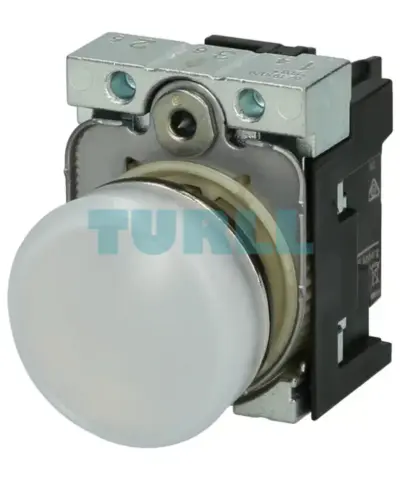
Siemens 3SU1156-6AA60-1AA0 Indicator Light, 22mm, Round, Metal, LED Signal Lamp, White Lens, 230V AC Original Brand New
3SU1156-6AA60-1AA0
Original price was: $24.69.$11.30Current price is: $11.30.
In stock
6GF9001-1BL01 Siemens
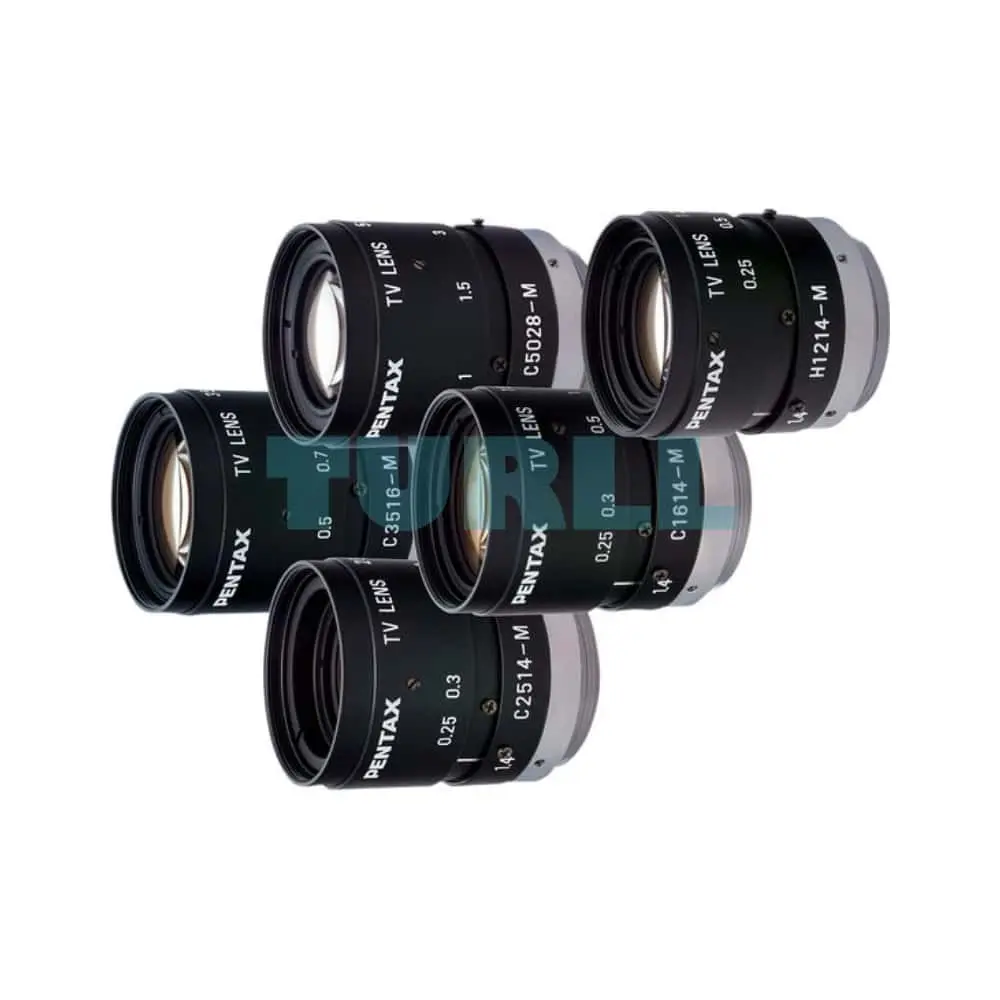
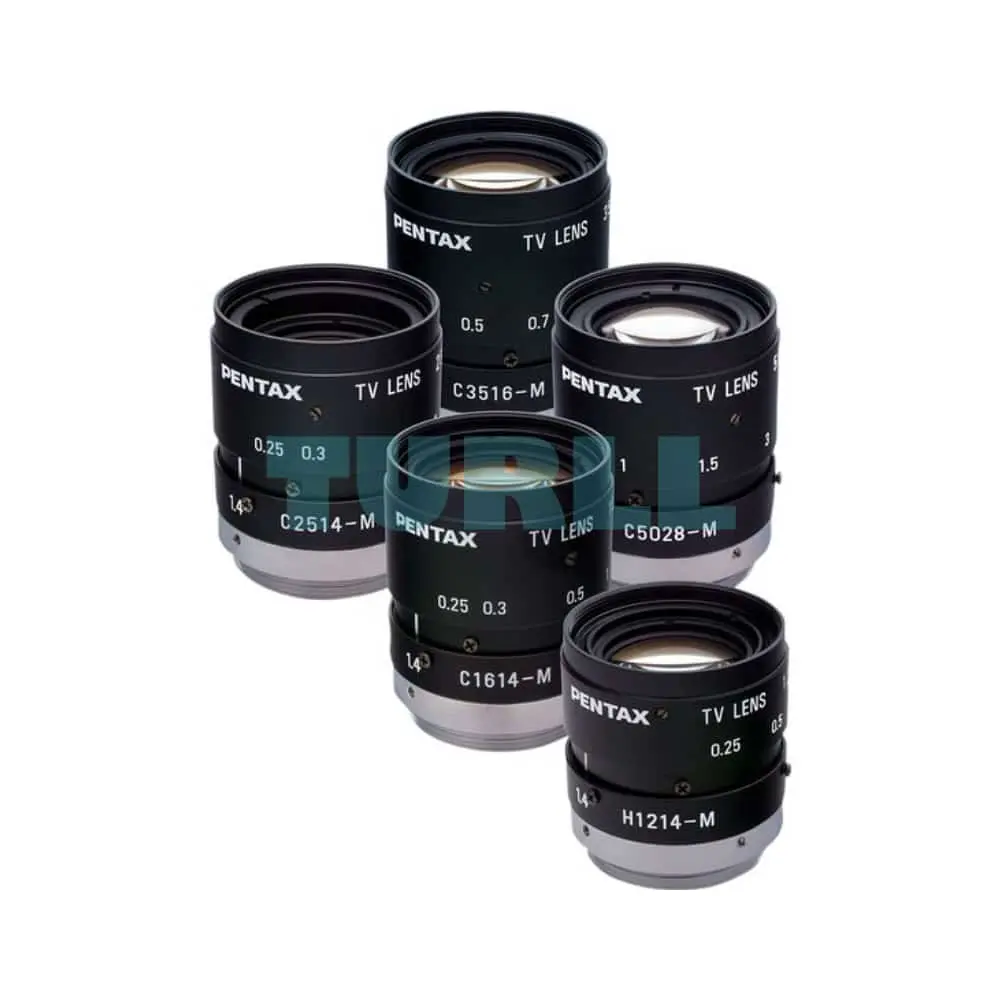
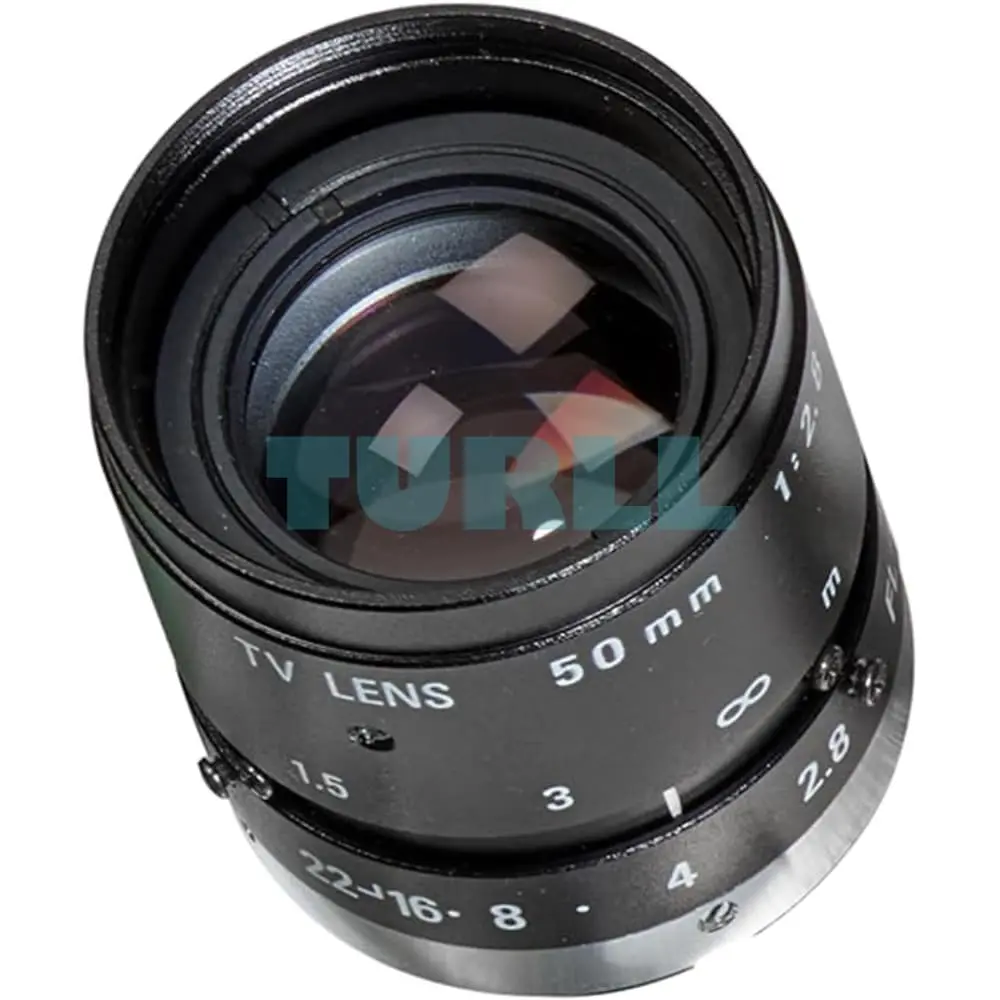
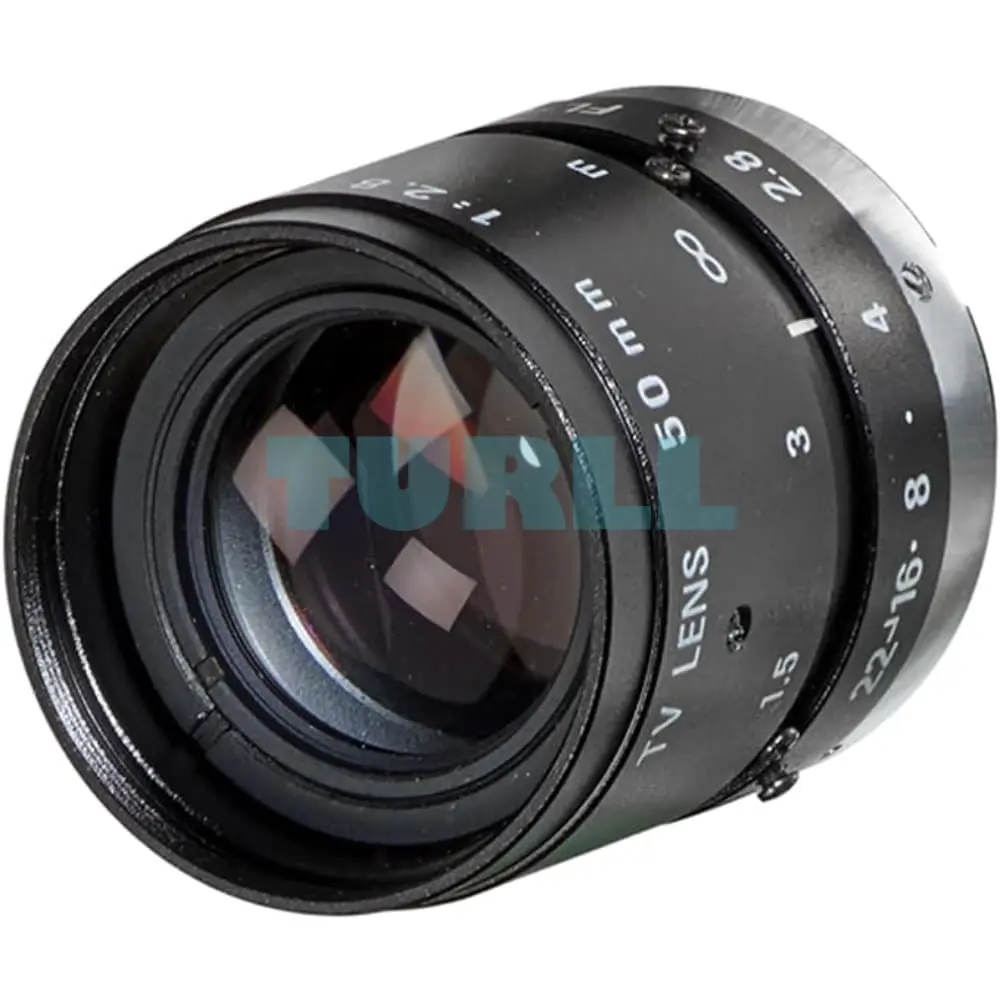
Mini-lens 12 mm, 1: 1.4 with fixed focal distance, aperture and focus adjustable D=29.5 mm, L=35.7 mm
Backorder available · Factory lead time 2–3 weeks.
With a lens suitable for the respective image evaluation task, the size of the image field is determined for the camera image for the required operating distance.
High light intensity and the geometry of the image are of great importance for all image evaluations (code reading, shape recognition and position finding). High light intensity permits short exposure times with reduced motion blur and range maximization.
C-mount lenses with fixed focal length and a settable aperture and focus are ideal for this purpose and are therefore preferred. The selection of the right lens is a central point for every application with a reader. The relationship between the application values (e.g. operating distance) and the parameters of the camera can be found in the section "Image types".
"E-focus lenses", which are equipped with industrial-grade "Electronic Focus", are new in the portfolio. Using these lenses, the reader can change the focal point without human assistance. "Automatic focusing" is important for applications during commissioning of the reader or when a quick change of focus (<= 200 ms) is needed due to changing production conditions. The use of an E-focus lens is therefore also a sensible investment in terms of investment security for a plant. The flexible optics enables operation with changing or new products that have different operating distances.
The "MV560 lenses" are a further innovation in the lens portfolio. These lenses are specially designed for the new SIMATIC MV560 X readers with a very large 5.3 MP image sensor and for short focal lengths.
The algorithms of code reading tolerate variations in form and size of the marking. In many applications, optical readers must tolerate the influence of perspective distortion. Geometric errors resulting from the imaging often reduce the reading performance of the overall system.
Important selection criteria for the lenses of readers are fast shutter speeds which guard against blurring due to motion, as well as maximization of the reading distance.
All lenses in this accessories list meet the requirements for code reading. In addition, lens accessories (e.g. filters) are available which in conjunction with the accessories of the readers support project-specific configurations.
For form recognition with high reproducibility, is a format-filling high-resolution image is required. Geometric errors resulting from the imaging often reduce the reading performance of the overall system.
Important selection criteria for the lenses of readers are a short exposure time, which guards against blurring due to motion, as well as maximization of the range. It is particularly important to maximize the range, since the stability of image analysis rises as the angle of the image field reduces. This is why a large distance from the test object is advantageous.
All lenses in this accessories list meet the requirements for shape recognition. In addition, lens accessories (e.g. filters) are available which in conjunction with the accessories of the readers support project-specific configurations.
The optical path of the lens is defined by its construction.
For spherical lenses, the solid angle depends on the focal length, focus adjustment, and aperture. All rays run through the focal point of the lens (central projection). Objects that are further away from the lens are depicted smaller. Objects that are closer to the lens are depicted larger:
The required image field size (height and width of the image), the size of the sensor chip and the focal length of the lens determine the operating distance:
A = (f x BF) / b
A = Operating distance (distance from lens to test object) in mm
F = Focal length of the lens in mm
BF = Size of image in the plane of the test object in mm
B = effective dimensions of the sensor in mm
In the case of lenses used in image processing systems, the focal length is fixed, whereas apertures and focus settings can be fixed. The focal length, the maximum focal aperture and the focusing range are normally specified on the lenses.
The focal length makes a statement about the angle of the image field or the ratio of the size of the real object to the size of the image.
The focal length of the lens is determined by the size of the required image field and the size of the camera chip when a specific distance has to be maintained. The most common chip sizes in cameras today are ½", 1/3" and ¼". If the distance to the object lies below the adjustable focusing range of the lens, i.e. at close range, the focus can be adjusted using intermediate rings.
Reduction of the light intensity by interrupting the optical path.
Setting the focus of the lens to a specific distance.
Depth of field is the area within which (in front of and behind the object) that is displayed with sufficient sharpness of focus. The larger the aperture (the smaller the aperture number), the smaller the depth of field.
Lenses with a larger focal length have a smaller depth of field, the effect is considerable for images at close range.
Lenses with smaller focal length are called wide-angle lenses, they can also be used at short operating distances, but produce intense distortion of the image. At a suitable given distance, they have a large image field.
Lenses with a long focal length are called telephoto lenses. They have a large magnification but cannot be focused at close range. So macro lenses are used that can be focused by means of large telescopic extensions or intermediate rings. At a given distance, they have a small image field.
In the case of telecentric lenses, at least the optical path at the object end is almost parallel (parallel projection). This means that objects at different distances are depicted in the same size. Objects can, however, only be displayed that are smaller than the diameter of the lens. It is not possible to adjust the range of focus with these lenses.
Optical filter glasses can be used to define the optical properties in order to eliminate or prevent interference in the image. The filters are installed in the lens protective barrel or as part of the built-in ring light. Mounting the filters on these two components eliminates the need to mount them on the lens and this method is no longer supported.
mini-lens 12 mm, 1: 1.4 with fixed focal distance, aperture and focus adjustable D=29.5 mm, L=35.7 mm
| SKU / Model | 6GF9001-1BL01 |
|---|---|
| Weight | 0.131 kg |
| Dimensions | 35.7 × 29.5 × 29.5 mm |
Request a quote for project quantities, discontinued or obsolete models, and pro-forma invoice / bank transfer orders. Our sourcing team responds fast.