[ez-toc]
Overview
- Technology module for artificial intelligence applications
- Integrated AI-enabled processor “Intel Movidius Myriad X” enables the processing of loadable neuronal networks with very low power demand (max. 2 – 3 W)
- With interfaces for connecting cameras (USB 3.1: Intel RealSense, Gigabit Ethernet: GigE Vision)
- SD card slot for holding SIMATIC Memory Cards;
allows the installation of neuronal networks and a user program (Micropython) - Use of AI Model Deployer V1.1 to convert the neuronal network for classification and object detection applications
- Arbitrary adaptation of the module function via the Micropython script and the integrated Micropython Interpreter
Application
With the TM NPU (Neural Processing Unit) technology module for SIMATIC S7-1500 and ET 200MP, applications based on artificial intelligence can be implemented directly in the SIMATIC automation system. The module is equipped with the AI-enabled Intel Movidius Myriad X chip and thus enables efficient processing of neuronal networks. By using machine-learning algorithms, visual quality checks can be efficiently implemented in production plants, for example. Through the integration of a Micropython Interpreter, it is also possible to customize the application as desired.
The integrated image processing unit together with the computing unit for neuronal networks enables new applications in industrial automation by accelerating image processing processes and fast local data evaluation via the trained models with very low energy demand.
Where the data of each workpiece must be configured most precisely for the recognition of workpieces using conventional image processing, this process can be structured with considerably more flexibility by applying learning procedures to identified image data. Open AI frameworks such as Tensorflow, Keras or Pytorch are used.
The resulting advantage comes into play in quality inspections, for example: Human expert knowledge regarding parameters such as consistency, color or texture of a product or a process can be transferred directly to the module by training a neuronal network with assigned (image) data, e.g. by means of a connected camera.
Design
Mechanical design
- Module in S7-1500 design
- 24 V front connector for power supply
- USB 3.1 interface for connecting a USB camera (Intel RealSense)
- Gigabit Ethernet interface for connecting a GigE Vision camera;
Can be used in addition to communicating with an FTP server and accessing the module’s internal web server - SD card slot for holding SIMATIC Memory Cards (mandatory);
Allows the installation of neuronal networks and a user program. On the one hand, the SD card is used to provide the trained (and converted) neuronal network, the user program (Micropython) and the module configurations, but it also enables easy module replacement in case of maintenance, as only the SD card has to be inserted into a new module when replacing the module.
System integration
- 256 bytes of input data for feedback to the PLC
- 256 bytes of output data for controlling the function by the PLC
- Any data of the PLC can also be used as input information. In this case, the transfer takes place via the process image of the PLC
- Can be used centrally in S7-1500 or distributed in the ET 200MP system
- Module replacement without PG
Additionally required external components
The following components are not included in the scope of supply of the TM NPU module and must be ordered separately:
- 2 GB SIMATIC SD card for user program (Micropython), neuronal network, and configuration files
- AI Model Deployer V1.1 to convert the neuronal network and configure the module;
Alternatively, Intel OpenVINO (V2021.4) can be used as a free alternative to the AI Model Deployer to convert the neuronal network. The purchase is made directly from Intel.
Included in the scope of supply:
- U-connector
- Front connector for 24 V power supply
- Front door
Mode of operation
The module gets its function from the provision of a trained neuronal network on an SD card and is equipped with the USB 3.1 interfaces and a Gigabit Ethernet port. Based on the neuronal network, data from connected sensors or from the CPU program can be processed. An update and exchange of the active neuronal network is also possible at runtime of the module, e.g. via a connected FTP server.
The built-in Vision Processing Unit, Intel’s Myriad X VPU chip, is equipped with a dedicated hardware accelerator for deep neuronal network structures.
Users can connect compatible cameras to the integrated USB 3.1 interface and the Gigabit Ethernet port of the S7-1500 TM NPU module. The Ethernet interface can also be used to communicate with an external (FTP) server. The data from the connected sensors, as well as information from the CPU program itself, can be processed using neuronal networks. The result of processing can then be evaluated in the CPU program.
Function
The module enables the evaluation of incoming data (images from a connected camera or sensor data from the controller) via neuronal networks. The result of processing can then be evaluated in the CPU program.
The module has an integrated Micropython Interpreter. The user program is provided to the module in the form of a Micropython script (on the SD card) and can be adapted for the application as required.
The free programmability of the module also enables degrees of freedom in integration and embedding in the “AI life cycle”. Incoming images can also be saved for later training purposes either locally on the SD card or directly on an external (FTP) server with the integrated FTP client. Thanks to the direct connection to the backplane bus, each captured image can also be directly provided with process-related context information, e.g. time stamps or serial numbers. In addition, this makes it possible to load and initialize a new (re)trained neuronal network into the module at runtime. The available application example for the TM NPU gives a first insight into how these functions can be implemented in an exemplary manner.
The module-internal functions (such as access to the camera, the process image, read/write access to the SD card or FTP server, initialization of a neuronal network, etc.) are supplied as libraries in the module firmware. All support the Micropython standard and a detailed description of the TM NPU-specific libraries and functions are included in the TM NPU Programming Manual.
Thanks to its graphical user interface, the AI Model Deployer supports initial commissioning of the TM NPU, especially with regard to configuration, conversion of the neuronal network, and debugging for applications in the areas of classification and object detection. For other applications such as segmentation or even PLC data-based or time series applications, which can also be implemented with the TM NPU, Intel’s OpenVINO can be used for converting.
Configuration
The integration of the TM NPU into the automation system takes place via engineering. An application example for the TIA Portal is available here for use with an S7-1500 CPU. In addition to an example project including a function block, it also contains an SD card image with a complete module configuration and an example Micropython script.
Some configurations of the module are not made in the TIA Portal, but separately via configuration files on the SD card. These can be implemented either manually or more easily using the AI Model Deployer V1.1.
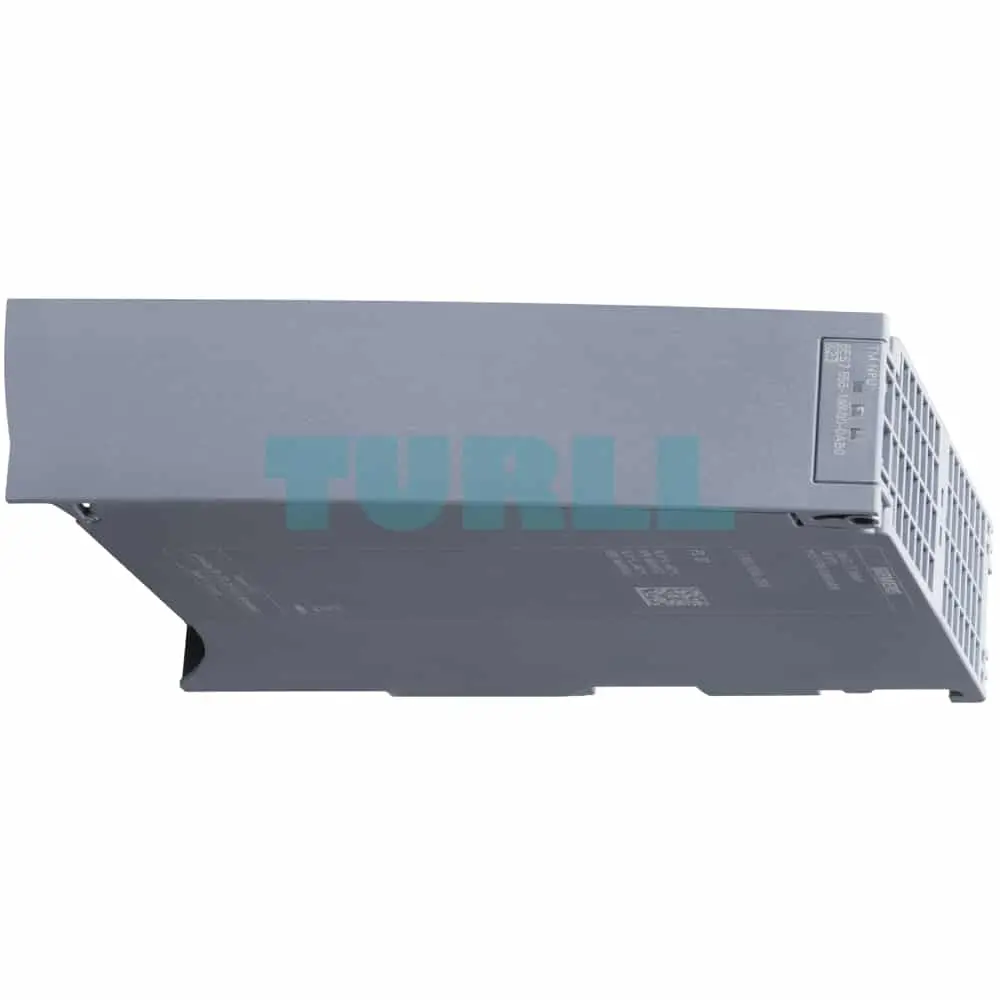
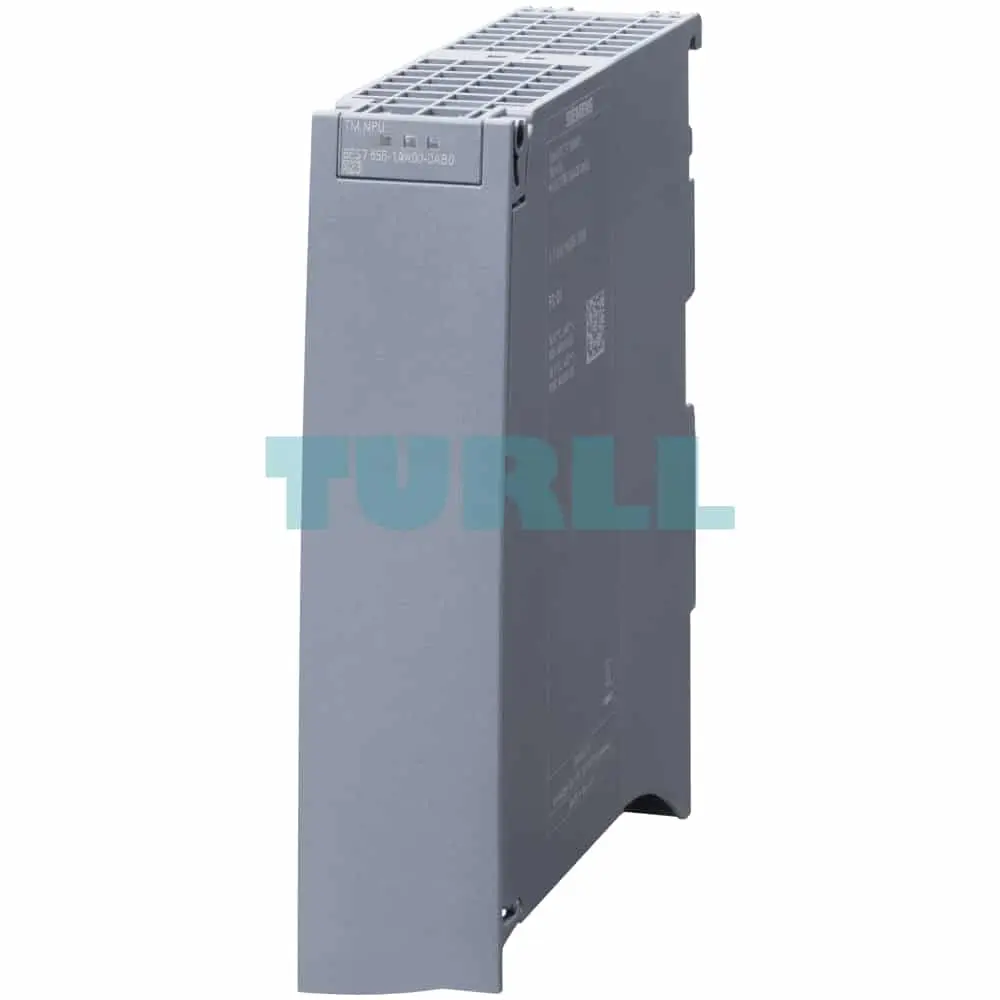
6ES7556-1AA00-0AB0
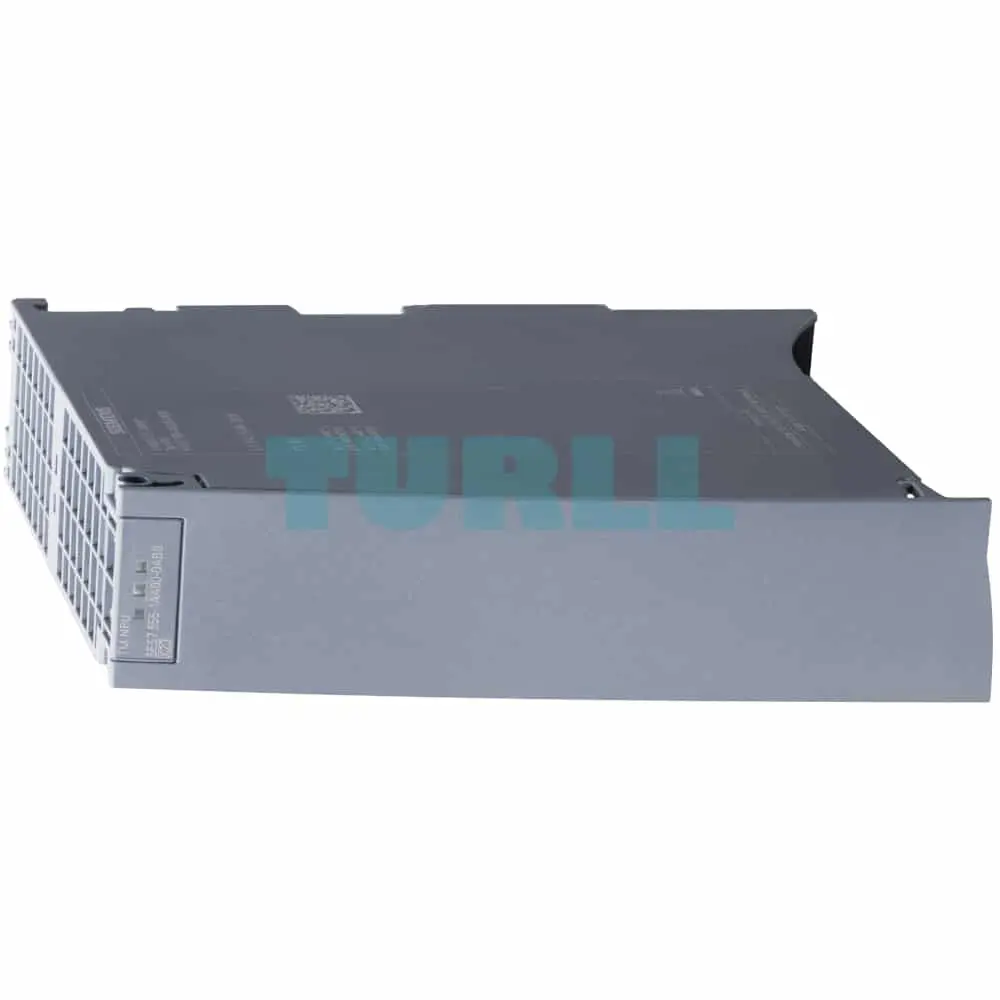
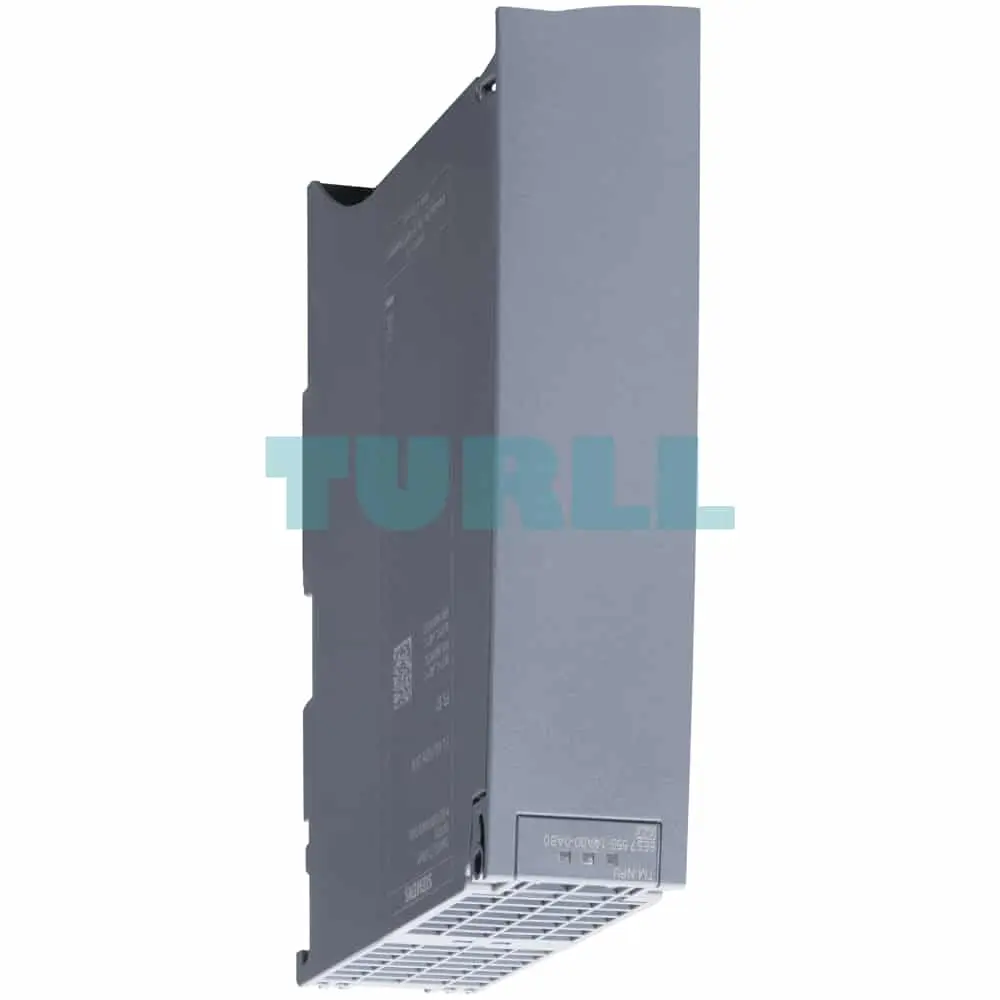
Siemens SIMATIC S7-1500, TM NPU, technology module for applications with artificial intelligence, 1x Ethernet, 1x USB, 1x SD
Visit 6ES7556-1AA00-0AB0
For more our products visit turll.com


Reviews
There are no reviews yet.